Background
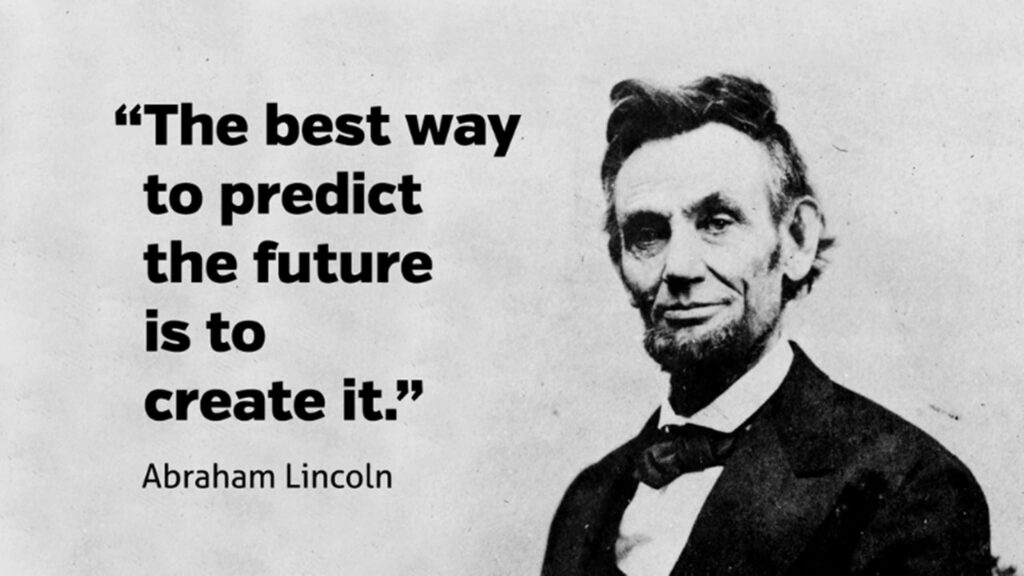
Abraham Lincoln (1809–1865) was the 16th U.S. President, born in a Kentucky log cabin to poor parents, Thomas and Nancy Lincoln. Raised on the frontier in Indiana and Illinois, he was mostly self-educated with roughly one year of formal schooling. He worked as a flatboatman, shopkeeper, and postmaster before becoming a lawyer and entering politics.
Struggule
Abraham Lincoln’s life was defined by profound personal and professional struggles, including extreme poverty, limited education, the loss of his mother and a son, and debilitating, lifelong clinical depression (“melancholy”). Despite these, he rose from a frontier background to lead the U.S. through the Civil War, preserving the Union and abolishing slavery before his assassination in 1865.
Achivements after struggule
Lincoln is consistently ranked by historians as one of the greatest American presidents for his role in saving the Union and, as the Miller Center notes, his crucial, patient efforts to abolish slavery.
Key Achievements and Legacy:
- Preserved the Union: Lincoln led the Northern states to victory in the American Civil War, preventing the permanent separation of the Confederate states and ensuring the United States remained a unified nation.
- Abolished Slavery: He issued the Emancipation Proclamation on January 1, 1863, declaring slaves in Confederate-held territories free, which shifted the war’s purpose to a moral cause. He was instrumental in pushing for the 13th Amendment, ratified shortly after his death, which officially ended slavery.
- The Gettysburg Address: Delivered in 1863, this speech redefined the Civil War as a struggle to preserve a nation dedicated to the proposition that “all men are created equal”.
- Economic and Domestic Policies:
- Homestead Act (1862): Allowed settlers to claim 160 acres of surveyed government land.
- Morrill Land-Grant Act (1862): Promoted higher education in agriculture and mechanics.
- Pacific Railway Acts (1862-1864): Authorized the construction of the transcontinental railroad.
- Established the Department of Agriculture (1862).
- Military Leadership: He demonstrated strategic acumen by appointing key generals, most notably Ulysses S. Grant, to lead the Union Army to victory.
- Political Skill: He managed a “team of rivals” in his cabinet and held together a fragile coalition of Republicans and War Democrats